
Page Contents
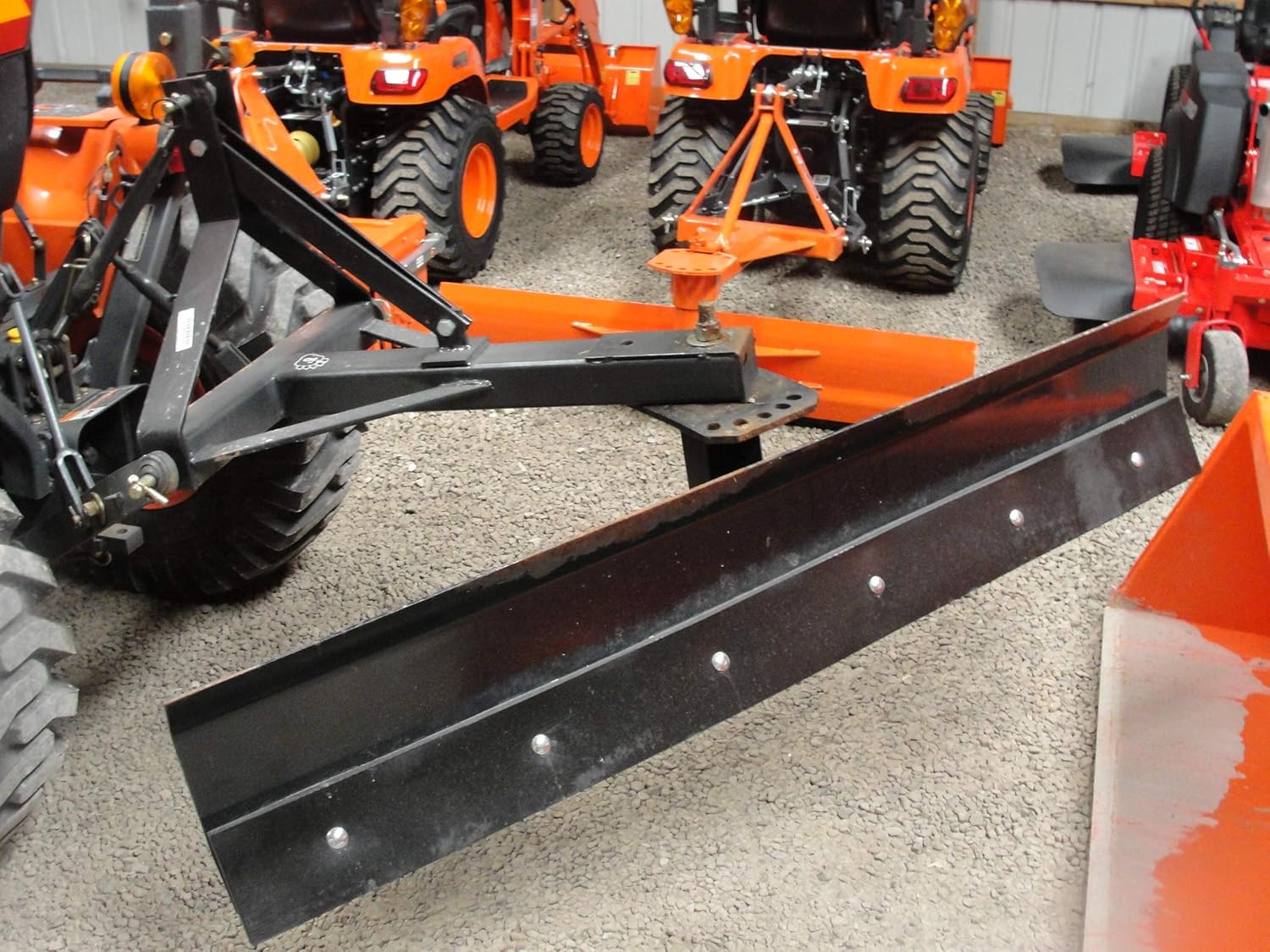
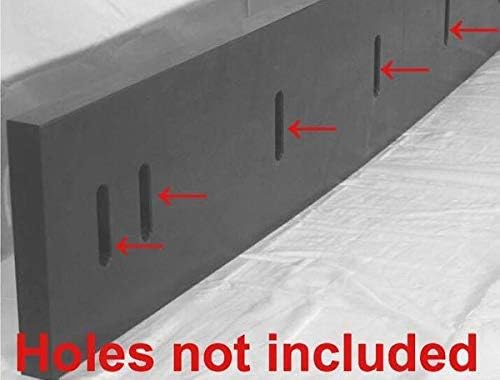
Details: Surface Saver Polyurethane Snow Plow Blade Cutting Edge 102″ (1.5″x8″)
Brand: Universal Urethane Products In

The Surface Saver products set the highest standards for performance in the snow removal industry, offering exceptional service life in the harshest conditions. Designed to combat unnecessary downtime and maintenance, The Surface Saver’s specially-formulated polyurethane is site-tested to withstand temperatures to -30º below zero and is proven to outlast steel, rubber and plastic alternatives, as well as other poly products in the industry. The Surface Saver blades have a five times higher abrasion resistance than rubber blades. Using The Surface Saver Blades made from a special formulated compound will reduce labor cost and downtime. Our new compound gives you urethane quality blades at rubber/neoprene pricing.

Advantages
- Products can be returned
Notice
- Is an online purchase
- Delivery may be delayed in some areas.
Buyer Guide Snow Plows
Snowplows are one of the most useful winter accessories out there.- Capacity. Snowplows mean different things to different people. For example, a 10-inch plow may be ideal for a residential driveway, but a 12-inch plow may be ideal for a commercial parking lot.
- Width. Width affects plowing capacity. A plow that’s 12 inches wide will clear more snow in comparison to the one that’s 10 inches wide.
- Turning Radius. Most plows allow you to turn them in any direction.
- Height. Most plows adjust between 30 inches and 60 inches.
- Weight. Plows weigh from 60 pounds to 150 pounds or more, depending on the model.
How to choose Snow Plows
Snow plows are an important piece of equipment for many property managers but finding the right one can be tricky. Read on for some tips to help you choose the perfect snow plow for your properties.- What type of plow is right for your property? There are several types of snow plows, each with distinct benefits. For example, a blade plow is inexpensive but causes more damage to turf, sidewalks, and driveways than other types of plows. A box plow, on the other hand, is more expensive but less aggressive on hard surfaces.
- What type of plow do you need? You likely need more than one snow plow, depending on your property. For example, you may need a blade plow for driveways and a box plow for parking lots.
- What type of plow can you afford? Snow plows can be expensive, but you can find affordable options to do the job.
- What type of plow do you need for snow removal? Some plows are better for snow removal than others. For example, if you have a lot of ice, you may want to invest in a plow that is specially adapted for removing ice.
- How heavy is the snow? Snow plows can vary widely in weight. Heavy snow may require a heavy-duty plow, while a light-duty plow can handle lightweight snow.
- How large is your property? Many plows are specifically designed for large properties, while others work for smaller properties.
- Are you local? Many plows need to be hauled by truck, which requires special licensing. If you are local, you may be able to rent the plow you need from a local shop.
- Do you need a plow that can be attached to your truck? Some plows can be maneuvered by truck, while others must be towed behind a truck.
How to maintain Snow Plows
Snow plowing can take a toll on your vehicle, which is why many snow plow companies will suggest scheduling maintenance checks before winter sets in. Before heading out to the shop, take a look at these tips from Consumer Reports on maintaining your snow plow:- Make sure your snow plow is in good working order before winter arrives by inspecting the blades for cracks or chips. You should also inspect all of the lift mechanisms, including the auger, chute, and winch.
- Check all of the hydraulic lines for signs of leaks, and be sure to have the snow plow fluids changed.
- Inspect the tires and wheels for signs of wear, including cracks, bulges, or holes.
- Check the lamps and reflectors to make sure theyre in working order.
- Make sure the plow is operating properly.
- Check the hydraulic system and fluid level.
- Fill the hydraulic system with clean, new fluid.
- Inspect the hydraulic system again before winter.
- Reinstall the plow according to the manufacturers instructions.
- Check to make sure the plow is in good working order before winter.
- Clean the plow prior to storing it.
- Cover the plow to protect it from the elements.
- Move your plow over to a shaded area.
- Move the plow into a shed or covered area, if possible.
- Remove the plow during the winter and store it in a shed or covered area until spring.
Related posts:
Review Carburetor for Ariens 920315 920320 920327 938030 938310 938034 939401 920406 Snow Blower Par...
Review Eopzol 918 Snow Shear Pin & Nut Replacement for Ariens John Deere 532005 53200500 AM123342, 1...
Review E-YooHoo (Pack of 2) 951-10888A Snow Blowers Primer Bulb Replace fits for Craftsman Troy Bilt...
Review Kadimendium Snow Melting Heating Pad, Anti Slip Stable Performance Snow Melting Mat 10 X 30in...
