
Page Contents
Details: FallLine Polyurethane ATV/UTV Snowplow Edge – 48″x4″x.75 Blank
Brand: FallLine
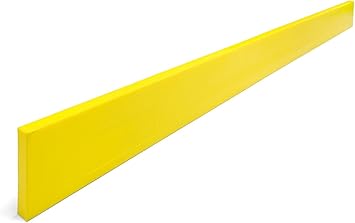
FallLine Polyurethane ATV/UTV Snow Plow Edges are ideal for plow owners looking for a cutting edge that minimizes surface damage and offers a longer service life than steel edges. Polyurethane edges are resilient, and therefore absorb impacts and conform to the surface being plowed rather than damaging the plowing surface. Due to the resiliency, Polyurethane cutting edges absorb vibrations and impacts, and as a result are very quiet in operation. Cutting edge is offered without holes or hardware, so that it can be drilled to fit any 48” ATV/UTV plow. Edges include mounting instructions and are manufactured in the USA.

Advantages
- Products can be returned
Notice
- Is an online purchase
- Delivery may be delayed in some areas.
Buyer Guide Snow Plows
Choosing the right snow plow for your needs isn’t always easy, but follow this guide and you’ll be sure to make the right choice.- Snow Plows: Snow plows are versatile tools that come in two basic types: front-mounted and back-mounted. Front-mounted plows are also known as front runners, while back-mounted plows are also known as rippers.
- Snow Plow Types. Front-mounted snow plows are also known as front runners.
- Snow Plow Types. Back-mounted snow plows are also known as rippers.
- Front-Mounted Snow Plows. Front-mounted snow plows, also known as front runners, are compact, lightweight, and streamlined. The most common front-mounted snow plow is the plow frame.
- Back-Mounted Snow Plows. Back-mounted snow plows, also known as rippers, are bigger and heavier than front-mounted snow plows. The most common back-mounted snow plow is the floating frame.
- Floating Frame. The floating frame is a type of back-mounted snow plow that rotates around the plow frame, rather than moving from side to side.
How to choose Snow Plows
Snow plows are an important piece of equipment for many property managers but finding the right one can be tricky. Read on for some tips to help you choose the perfect snow plow for your properties.- What type of plow is right for your property? There are several types of snow plows, each with distinct benefits. For example, a blade plow is inexpensive but causes more damage to turf, sidewalks, and driveways than other types of plows. A box plow, on the other hand, is more expensive but less aggressive on hard surfaces.
- What type of plow do you need? You likely need more than one snow plow, depending on your property. For example, you may need a blade plow for driveways and a box plow for parking lots.
- What type of plow can you afford? Snow plows can be expensive, but you can find affordable options to do the job.
- What type of plow do you need for snow removal? Some plows are better for snow removal than others. For example, if you have a lot of ice, you may want to invest in a plow that is specially adapted for removing ice.
- How heavy is the snow? Snow plows can vary widely in weight. Heavy snow may require a heavy-duty plow, while a light-duty plow can handle lightweight snow.
- How large is your property? Many plows are specifically designed for large properties, while others work for smaller properties.
- Are you local? Many plows need to be hauled by truck, which requires special licensing. If you are local, you may be able to rent the plow you need from a local shop.
- Do you need a plow that can be attached to your truck? Some plows can be maneuvered by truck, while others must be towed behind a truck.
How to maintain Snow Plows
Snow plows are an important piece of machinery for any snow removal company. Snow plows are specifically made for efficiently moving large amounts of snow that have accumulated on a road.Snow plows generally consist of a large blade on the front, a chain or sprocket on the back, and a set of large wheels to roll the plow along. Snow plows can be powered by diesel fuel, gasoline, or electricity, and each vehicle type has its advantages and disadvantages.
Diesel-fueled vehicles are generally more powerful and can plow through snow more quickly than gasoline vehicles, but diesel is more expensive and pollutes the air. Gasoline-powered vehicles are slightly cheaper, but their power is more restricted. Electric-powered vehicles are the cheapest option, but their limited range makes them impractical.
In addition to the vehicle type, there are other important features you should consider when purchasing a snow plow.
- The blade: The blade on your vehicle is important and should be replaced regularly. Blades can be made out of steel, stainless steel, or aluminum. Steel and stainless steel blades are less expensive but require more frequent sharpening. Aluminum blades are more expensive but require less frequent sharpening.
- The plow: The type of plow on your vehicle can have a big effect on its performance. The two main types of plows are straight and angled. Straight plows plow straight down and are most commonly used in residential areas. Angled plows move from side to side, and are most commonly used in commercial areas.
- Hydraulics: Hydraulics allow the plow to move up or down, from side to side, or spin. Most snow plows come with hydraulics, but be sure to check before you buy. Hydraulics are important because they allow you to adjust the height of the blade from 0 to 2 feet, which allows you to clear snow from even the narrowest of roads.
Related posts:
Review 2 PCS Snowblower Skid Shoes Replaces Toro 74-1100-01 Fits 624 824 1132
Review The ROP Shop | Heavy Duty Truck Snowplow Pro-Wing Blade Extension Kit for Diamond Plows
Review 01028600 Snow Blower Skids Compatible with Arie-ns 01028600, 02483859, 24599 2 Stage Snow Thr...
Review 1733324SM Driver Belt Compatible with Murray Craftsman 2-Stage Snow throwers 3/8" x 33" Fit 5...
