
Page Contents
Details: CALCHELE Ice Chopper ice Scraper for Driveway Sidewalk Scraper ice Breaker Tool
Brand: CALCHELE


Advantages
- Products can be returned
- Make sure this fits by entering your model number.
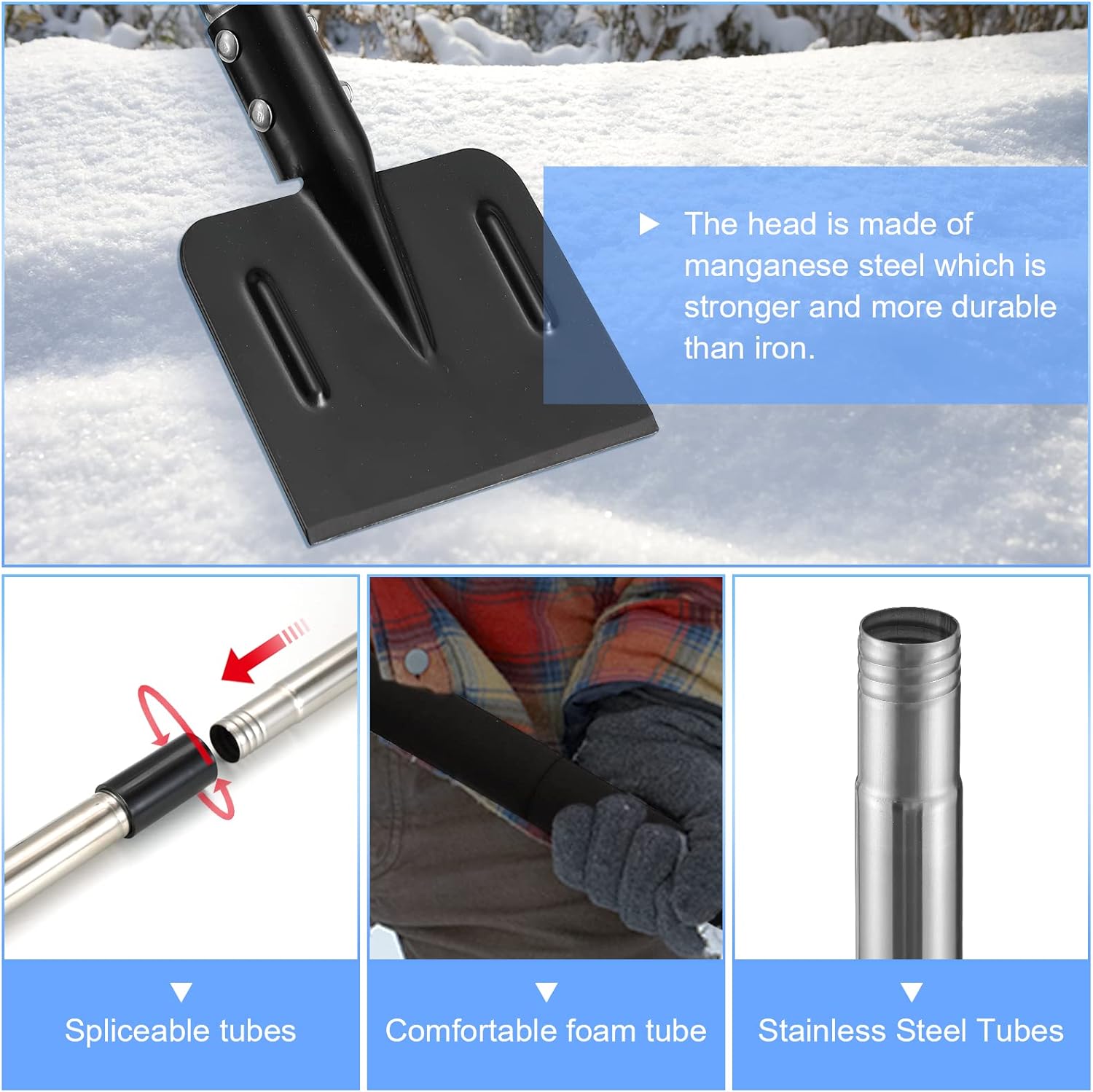
- Robust&Durable: The chopper blade is made of manganese steel, which is stronger and more durable than iron and is efficient at slicing and dicing through thick layers of ice.
- Adjustable two sizes: CALCHELE Ice Chopper is made of multiple stainless steel rods, you can adjust the two sizes as needed, the maximum size of 52.7inch (134cm), the minimum length of 39.3inch (100cm)
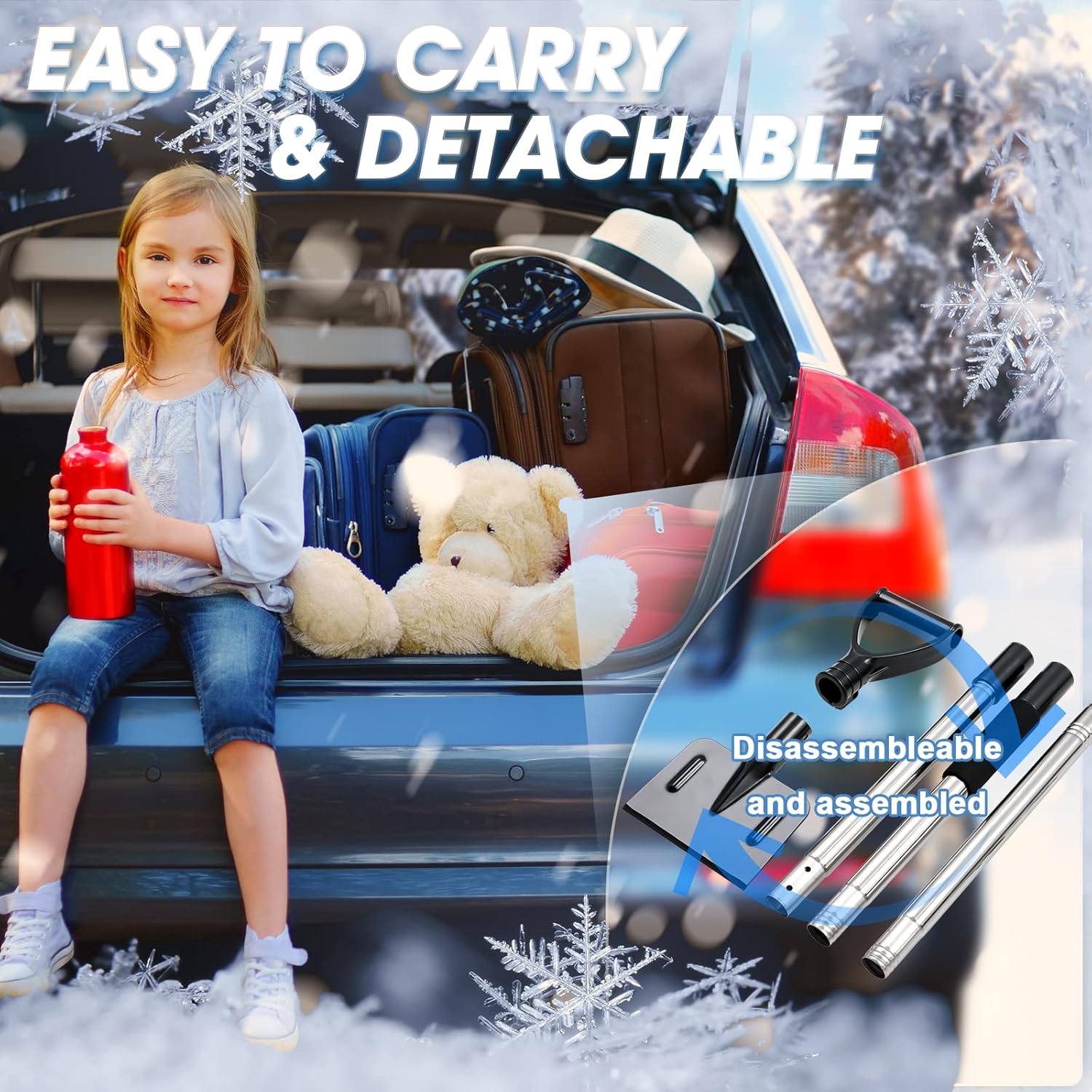
- Easy to carry: This is a heavy Manganese steel blade used for chopping and breaking ice off sidewalks.It can be split into several sections for easy portability.
- Ergonomic design: Comfortable foam tube and D-shaped handle allow you to work more easily. Its a wonderful tool for chopping and breaking ice off sidewalks or driveways.
Notice
- Is an online purchase
- Delivery may be delayed in some areas.
Buyer Guide Snow Shovels
Snow shovels are essential tools for clearing sidewalks, driveways, and parking lots. If you’re unsure which one to buy, here are some guidelines you can use.- Consider the type of snow you’re dealing with. If you live in a climate with rain or occasional snow, you don’t need a heavy-duty shovel. A 4-foot, 4-inch snow shovel will suffice.
- Consider the snow’s size and weight. If you’re dealing with 6-foot (or more) snow, a 6-foot (or more) shovel should be sufficient.
- Consider the snow’s hardness. Snow can be soft, medium, or hard. If you’re dealing with soft snow, a 4-foot (or more) shovel should be sufficient. If you’re dealing with medium or hard snow, a 6-foot (or more) shovel should be sufficient.
- Consider your intended use. If you’re planning to use your shovel often, get a shovel that’s made from high-quality steel. If you’re planning to use your shovel less often, buy a shovel made from high-quality plastic.
- Choose a shovel with a comfortable handle.
- Consider your intended use. If your shovel will be used frequently, consider buying a shovel with a rubber or plastic handle
How to choose Snow Shovels
Before you buy, consider these two factors:- What type of snow shovel are you looking for? Snow shovels come in a number of different sizes, and choosing the right one for the job could mean more efficient snow removal.
- Standard or ergonomic? Standard snow shovels have longer handles, which makes it easier to lift the snow. Ergonomic shovels, on the other hand, have shorter handles, which can make snow removal easier and safer.
How to maintain Snow Shovels
Shoveling snow in the winter is no small feat. When the weather turns, many people turn to a snow shovel to clear the ground. However, there are several important maintenance steps you should take to ensure the safety of your home.- Wash the shovel thoroughly. After you’re done shoveling snow, take a warm, soapy cloth and wipe the shovel down with detergent and water.
- Dry the shovel thoroughly. After you’ve washed the shovel, allow it to dry thoroughly.
- Oil the shovel. Regularly oil the moving parts of the shovel. This will help protect the parts from rust and corrosion.
- Lubricate the moving parts. Using a lubricant will help the moving parts of the shovel run smoothly.
- Check the handle. Check the handle of the shovel for any cracks. If the handle is cracked, replace the handle.
- Check the metal. Check the metal of the shovel for any rust or corrosion.
- Check for rust. The metal of the shovel should be free of rust.
- Check for cracks. Check for any cracks in the metal of the shovel.
- Check the handle. Check the handle of the shovel for any cracks. If the handle is cracked, replace the handle.
- Clean the shovel. Using a soapy cloth, wipe the shovel down after every use.
- Store the shovel. Store your shovel with the parts facing up.
Related posts:
Review 20 ft Lightweight Roof Rake Snow Removal Tool
Review NEW Snow Plow Pump Motor 12V Hi Torque Compatible With Meyer E47 Electro Touch 3/16 Wide Slot...
Review SAKITAM Carburetor for Toro Snow Blower CCR Powerlite Model 38170 Replacement Carb
Review Snow Brush for Car, HOLDPEAK 31.5“ Extendable Snow Brush and Ice Scraper, Retractable Snow Re...

FBIA TEAM
Admin Tle Chubby man who loves technology and the changes in the world around him. (Around Me)