
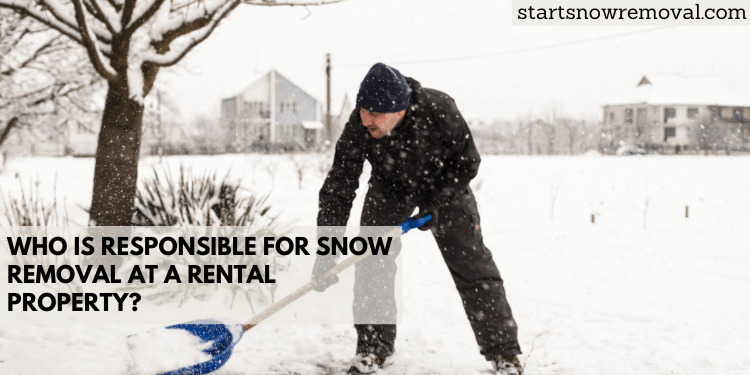
Who is responsible for snow removal at a rental property? This is a question many property managers and landlords face when snow is on the ground. Unfortunately, there is no clear-cut answer. However, there are important factors to consider when determining who is responsible for snow removal at a rental property. In this blog post, we’ll explore these factors and help you determine who should be responsible for snow removal at your rental property.
Page Contents
Overview of Who is Responsible for Snow Removal at a Rental Property
Regarding rental properties, who is responsible for snow removal can be a complex issue. Depending on the property and the situation, it can be the responsibility of the tenant, the landlord, or a combination of the two. In most cases, landlords are responsible for clearing the sidewalks, driveways, and parking lots of their rental property. Tenants, however, may be responsible for shoveling steps leading up to the unit and pathways that connect the unit to any common area. In cases where the tenant must clear snow, it is important for the landlord to provide clear instructions and expectations in the lease agreement.
When determining who is responsible for snow removal, landlords must consider factors such as cost, liability, and the availability of resources. For example, in areas with high snowfall, it may be too costly for a landlord to hire a snow removal service on a regular basis. In such cases, the landlord may pass the responsibility to the tenant. If a tenant fails to clear snow in a timely manner, the landlord may be held liable for any injuries that occur due to slippery surfaces. In addition, if the tenant does not have access to the necessary resources, such as a shovel, the landlord may provide these items.
In the end, landlords must be mindful of all the implications of who is responsible for snow removal. Ultimately, the decision should be based on what works best for both the tenant and the landlord. If a landlord is uncertain as to who should be responsible, they should consult an attorney for more information on their specific rental property. In doing so, both parties can be sure that their rights are fully protected and that the snow removal process is handled in the safest and most efficient manner possible.
Overview of the Landlord’s Obligations Under the Law Regarding Snow Removal
The landlord is responsible for providing a safe and hospitable living environment for their tenants. One of the duties that landlords must fulfill is snow removal from the rental property. The obligations of a landlord under the law regarding snow removal vary from state to state, so it is important for landlords to be aware of the specific regulations in their jurisdiction. Generally speaking, landlords must ensure that sidewalks, driveways, and other public areas near the rental property are clear of snow and ice in a timely manner. This can include shoveling, plowing, de-icing, and other snow removal services. In order to comply with the law, the landlord must ensure that all snow removal is carried out in a safe and efficient manner. The landlord must also be prepared to respond to any complaints of snow accumulation in a timely manner, as failure to do so could lead to legal action. In some cases, the landlord may be held liable for any injuries or damages that occur as a result of their failure to remove snow and ice. It is therefore important for landlords to take all necessary steps to ensure that snow is removed from their rental properties in a timely and safe manner.
Tenant Responsibilities Regarding Snow Removal
Regarding rental properties, it is important to know who is responsible for snow removal. Generally, landlords are responsible for removing snow from the areas immediately surrounding the rental property, such as sidewalks, driveways, and parking lots. Tenants, however, are usually responsible for removing snow from the areas immediately adjacent to the rental property, such as porches, patios, and decks. In some cases, landlords may agree to provide snow removal services for a fee.
When it comes to snow removal, landlords must ensure that sidewalks, driveways, and parking lots are kept free of snow and ice at all times. This includes the removal of snow, ice, and other debris that accumulates during the winter months. Additionally, landlords must adhere to local and state laws regarding snow removal, such as ensuring that snow is not blocking access to the property or creating hazardous conditions.
Tenants, on the other hand, are typically responsible for removing snow from their respective areas adjacent to the rental property. This includes shoveling, plowing, and salting porches, patios, and decks. Tenants should also be aware of any restrictions or requirements outlined in their lease agreement regarding snow removal. In some cases, tenants may be required to provide their own snow removal equipment and supplies.
Different Types of Contracts and Who is Responsible for Snow Removal
When it comes to rental properties, landlords and tenants have differing responsibilities for snow removal. In most rental agreements, the landlord is responsible for maintaining the exterior of the property, which includes the removal of snow and ice. The tenant is then responsible for shoveling the walkways and steps leading to the entrance of the property. The tenant may also be responsible for shoveling the driveway, depending on the terms of the agreement. For example, if the driveway is shared by multiple tenants, then the responsibility for snow removal may be divided among them.
When it comes to the actual removal of snow and ice, the responsibility typically falls to the landlord. This means that the landlord is responsible for hiring a contractor or plowing service to clear the property, or for clearing the property themselves. The landlord must also ensure that the property is free from snow and ice accumulations that could cause a safety hazard. The tenant is usually not required to help with snow removal, though they may offer assistance if the landlord requests.
In order to ensure that rental property is properly maintained and that the risk of injury due to snow and ice is minimized, landlords and tenants should be aware of their responsibilities when it comes to snow removal. Establishing a clear understanding of who is responsible for snow removal and how it should be handled will help to ensure that both parties are on the same page and that the property is kept safe during the winter months.
How to Communicate About Snow Removal to Tenants
When it comes to snow removal at a rental property, one of the most important things to consider is who is responsible for the process. Depending on the situation, this could be either the tenant or the landlord. In terms of legal obligations, if the property is rented out, the landlord is generally responsible for the removal of snow and ice from public areas, such as the driveway and sidewalks. However, the tenant may be responsible for removing snow and ice from the private areas of the property, such as the patio or balcony.
In most cases, the landlord is expected to take care of all snow removal duties. This includes hiring professionals for large-scale jobs, such as snow plowing, as well as shoveling, salt, and sanding to make sure the property is safe for tenants. It is important for the landlord to communicate their expectations to tenants in a clear and concise manner when it comes to snow removal. This includes providing a list of rules and regulations that must be followed to ensure the safety of all tenants.
When communicating with tenants, it is important to stress the importance of snow removal and be clear about who is responsible for it. The tenant should also be informed of any potential risks, such as slips and falls, and be encouraged to take the necessary precautions to keep them safe. This includes wearing appropriate footwear and clothing, as well as using the right tools to safely remove snow and ice from the property. As a landlord, it is also important to provide tenants with the necessary resources to complete their snow removal duties, such as a snow shovel, salt, and sand. By taking the time to communicate about snow removal with tenants, landlords can ensure that the property remains safe and well-maintained during the winter months.
Strategies to Reduce Liability and Risks Associated with Snow Removal
When it comes to snow removal at a rental property, both the tenant and the landlord have responsibilities to reduce liability and risks associated with it. As a landlord, it is important to be familiar with local laws and regulations that may affect snow removal processes. The most important step is to clearly define the responsibilities in the rental agreement. This will make sure that the tenant is aware of their obligations, such as shoveling the sidewalks and driveways or removing snow from balconies and decks. Additionally, it is important to provide clear timelines and expectations for the tenant in the rental agreement.
The landlord should also take steps to reduce liability and risks related to snow removal. This includes ensuring that the property is equipped with the necessary snow-removal equipment, such as shovels, snow blowers, and snow plows. The landlord should also consider hiring professional snow removal services for more extensive jobs, such as clearing large areas of snow. The landlord should also ensure that the property is equipped with the necessary safety measures, such as de-icing products, snow chains, and sandbags, to reduce the risk of slips and falls.
Finally, it is important for the landlord to be aware of the potential risks associated with snow removal. This includes liability for injuries that occur from snow removal activities and the potential for property damage caused by the removal process. By taking the necessary steps to reduce liability and risks associated with snow removal, landlords can ensure a safe and hassle-free winter season.
How to Choose a Professional Snow Removal Service Provider
Choosing a professional snow removal service provider for rental property is a critical decision for a property owner. Selecting the right contractor for the job can be a daunting task, as there are many variables to consider such as cost, reliability, and quality of service. It is important to research a variety of service providers and make sure that they are experienced in the type of work that is required. Additionally, the contractor should be knowledgeable about local regulations and laws related to snow removal.
The property owner is ultimately responsible for ensuring that snow removal is done in a timely manner and at a reasonable cost. It is important to ensure that the service provider is properly insured, licensed, and bonded in order to protect the property owner from any potential liabilities. Furthermore, the contractor should be able to provide a written estimate of the services they will provide, and a copy of any contracts that may be required. It is also important to ask for references from other clients and make sure the contractor is reliable and will provide quality service.
Finally, property owners should review the service provider’s policies, procedures, and safety regulations to ensure that their snow removal needs will be met. By taking the time to thoroughly research and select a reliable and experienced snow removal service provider, a property owner can have peace of mind knowing that their rental property will be taken care of in a safe and efficient manner.
Conclusion
Overall, it is important to understand who is responsible for snow removal at a rental property. Owners typically agree to take care of the snow removal, or tenants may be responsible for taking care of it themselves. In either case, it is important to ensure that the snow is cleared in a timely manner to avoid any issues or problems. It is also important to make sure that any agreements are clearly outlined in the lease to avoid any issues or confusion. Snow removal is an important part of rental property management, and it should be taken seriously.
