
Page Contents
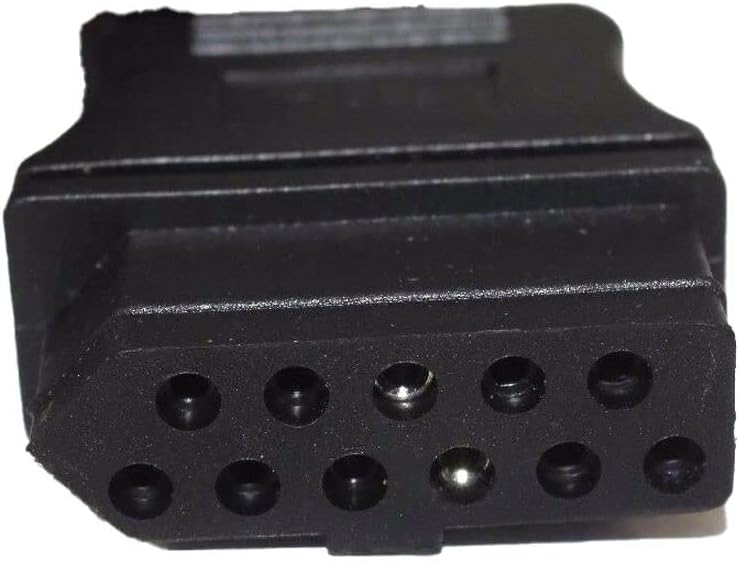
Details: B.O.S.Part Snow PLOW 3 PIN PLOW/Truck Side Wire Harness & Cover 26359 26345
Brand: B.O.S.Part

3 Pin ConnectorwWesternn Plow & Truck SideWire Harness & CoverReplaceswWesternn fFisherr 26359 Plow SidewWesternn fFisherr 26345 Truck SidewWesternn 61548 Cover

Advantages
- Products can be returned
Notice
- Is an online purchase
- Delivery may be delayed in some areas.
Buyer Guide Snow Plows
Snowplows are one of the most useful winter accessories out there.- Capacity. Snowplows mean different things to different people. For example, a 10-inch plow may be ideal for a residential driveway, but a 12-inch plow may be ideal for a commercial parking lot.
- Width. Width affects plowing capacity. A plow that’s 12 inches wide will clear more snow in comparison to the one that’s 10 inches wide.
- Turning Radius. Most plows allow you to turn them in any direction.
- Height. Most plows adjust between 30 inches and 60 inches.
- Weight. Plows weigh from 60 pounds to 150 pounds or more, depending on the model.
How to choose Snow Plows
When choosing a snow plow, there are a few important factors to keep in mind:- The size and width of the snow plow. Snow plows with wider blades and more aggressive plowing can cut through more snow in less time. Still, it’s important to keep in mind how wide the snow plow is in relation to your vehicle.
- The height of the snow plow. Snow plows typically range from four to eight feet in height.
- The weight. Snow plows can vary in weight from 300 to 500 pounds.
- The blade width. Snow plow blades are usually between three and four feet wide. If you have narrow shoulders, you may need a wider blade.
- The blade angle. The angle of the blade of a snow plow is important, as it can help direct snow in different directions. Angles can range from 15 and 45 degrees.
- The plowing pattern. Plowing patterns include straight, diagonal, and curved.
- The plow width. The width of the plows can range from 30 to 60 inches.
- Blade material. Blades are usually made of steel or aluminum.
- The plow controls. Plow controls typically include a throttle, a parking brake, and a singular lever.
- The plow attachment. The plow attachment is the part that attaches to the snow plow.
- The plow manufacturer. Snow plow manufacturers include Ariens, Bobcat, Husqvarna, SnowEx, and Toro.
- The plow warranty. Its important to check the warranty of any new snow plow you consider purchasing.
How to maintain Snow Plows
Snow plows are essential tools for keeping roads clear during the winter season. However, they can be dangerous if they are not maintained properly.- Inspect plows regularly. Snow plows should be inspected at least weekly to ensure that they are safe to use.
- Replace worn parts. Over time, snow plows can become worn and damaged. Many parts can be easily replaced by professional mechanics.
- Fill in holes and cracks. Snow plows can plow into holes and cracks in the road, causing large chunks of ice to become dislodged. These large chunks of ice can endanger drivers on the road. These areas should be filled in with a material such as sand, gravel, or salt to prevent this.
- Change the oil. Over time, oil can break down and become less effective. Poorly maintained oil can cause snow plows to become less effective, increasing the risk of accidents.
- Change spark plugs. Snow plows use spark plugs to ignite the fuel. These plugs can become worn out over time or can break down. Uneven ground or debris can clog the spark plugs, causing them to burn out.
- Drain antifreeze. Antifreeze is used to prevent freezing in snow plows. Over time, antifreeze can break down and begin to lose its ability to effectively prevent freezing. In order to prevent this, antifreeze should be drained and replaced every few years.
- Remove snow. Snow can be extremely heavy, and it can cause snow plows to become unbalanced, which can increase the risk of accidents. To avoid this, the snow should be removed before snow plows can be used.
- Clean the plow. In order to prevent corrosion and rust from forming, snow plows should be cleaned regularly. Greasy and muddy areas should be cleaned regularly.
Related posts:

FBIA TEAM
Admin Tle Chubby man who loves technology and the changes in the world around him. (Around Me)